Aquamarine primarily serves as a durable blue-to-green gemstone for jewelry, valued for its aesthetic appeal and physical resilience. Unlike symbolic claims, its true "function" lies in verifiable properties: a Mohs hardness of 7.5-8 (per GIA standards), beryllium aluminum silicate composition, and color derived from trace iron. This guide separates fact from fiction, helping you make informed decisions based on science, not marketing myths.
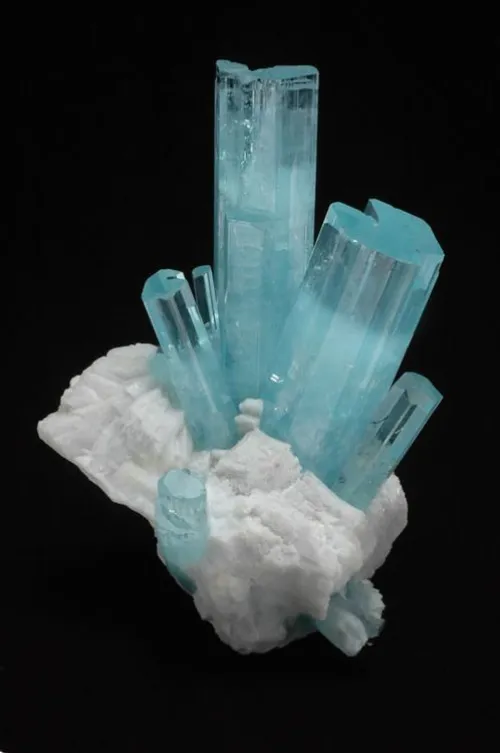
Aquamarine is a variety of the mineral beryl, distinguished by its blue-to-green hue caused by iron impurities. As the Gemological Institute of America (GIA) notes, it forms in pegmatite veins alongside other beryls like emerald. Its name derives from Latin aqua marina ("water of the sea"), but its identity is rooted in geology, not myth.
Marketing often links aquamarine to "calming energy" or protection, but its tangible role is purely functional:
Any perceived "influence" likely stems from visual preference—many users report stress reduction when viewing its tranquil blue, akin to gazing at water (a psychological effect, not mineral property).
Understanding these measurable traits is critical for selection. Below is a summary of core aquamarine properties verified by gemological research:
| Property | Description | Reference |
|---|---|---|
| Chemical Composition | Beryllium aluminum silicate (Be₃Al₂Si₆O₁₈) | GIA Gem Database |
| Hardness (Mohs Scale) | 7.5–8 (resists scratches but can chip) | GIA Handbook |
| Color Cause | Trace iron (Fe²⁺) in crystal lattice | Journal of Gemmology, 2021 |
| Refractive Index | 1.57–1.58 (contributes to brilliance) | GIA Testing Protocols |
We recommend focusing on evidence-based criteria over symbolism. Follow these steps:
Its durability makes it viable for engagement rings, but consider tradeoffs:

GIA advises these science-backed steps:
In our experience, quarterly professional cleanings maintain brilliance better than DIY methods alone.
Q: Will deeper blue shades command higher prices?
A: Often, due to consumer preference, but balance with carat weight and clarity (per GIA pricing models).
Q: Can sunlight fade aquamarine?
A: Natural stones are stable under normal exposure; prolonged UV may affect treated stones (ask for treatment disclosure).
So, what does aquamarine do? It serves as a beautiful, durable gemstone whose value lies in verifiable properties—not unproven claims. By prioritizing aquamarine properties, ethical sourcing, and practical care, you can enjoy its aesthetic appeal responsibly. Remember: informed decisions beat symbolism every time.


$
