Aquamarine is a blue-to-green variant of the mineral beryllium aluminum cyclosilicate. The key to understanding it lies in its geological formation and optical properties. If you take nothing else away, remember this: genuine aquamarine maintains consistent characteristics like a 7.5-8 hardness rating and iron-dependent color, while human treatments may alter its appearance.
When encountering aquamarine descriptions, you might hear conflicting claims: "All aquamarines have deep blue color," "This hardness makes it indestructible," or "Heat-treated stones aren't genuine." Such confusion arises from oversimplified marketing and variable natural occurrences. This guide clarifies persistent myths by examining geological processes, verifiable material properties, and grading standards, enabling you to independently assess aquamarine claims using physical evidence rather than anecdotes.
People often say "aquamarine comes from rare deposits" implying exclusivity, but commercial sources span multiple continents. This myth persists because suppliers emphasize scarcity for perceived value, while overlooking geological consistency. Mineral formations don't inherently validate quality.
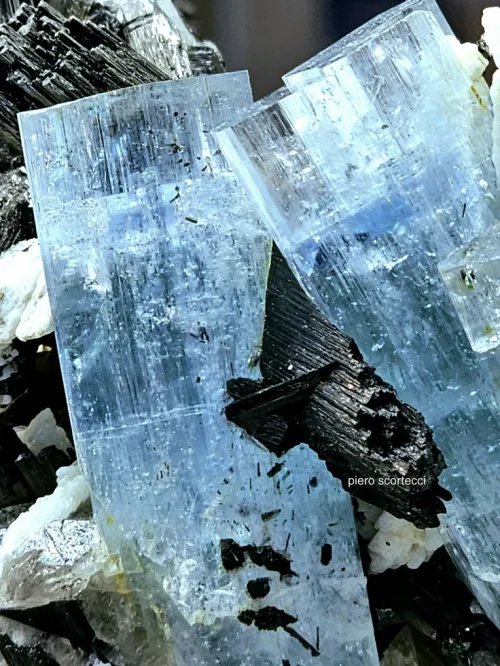
In reality, aquamarine develops through specific conditions: beryllium-rich magma interacting with mineral-saturated solutions under precise heat and pressure. Iron traces cause blue coloring naturally. A clearer way to see it is: while Brazilian mines produce larger crystals, African sources may yield comparable hue saturation. Formation tends to require granite pegmatites or alluvial deposits over millions of years.
Next time you evaluate an "authentic origin" claim, investigate two things: ask for geological documentation rather than country tags, and observe if subtle color zones match known regional patterns. Authenticity isn't origin-dependent—focus instead on natural inclusions without enhancement.
Descriptions like "identical to emerald" arise because both belong to the beryl family. But this overlooks critical compositional differences determining optical traits and value. Many assume similar minerals share all properties—an oversimplification creating unrealistic expectations.
Technically speaking, aquamarine consists of beryllium aluminum cyclosilicate with iron traces. Iron impurities—not chromium as in emeralds—produce its characteristic blues. This composition remains stable under standard environmental exposure but may fade if cleaned ultrasonically or exposed to high heat. Transparent to translucent clarity often requires fewer inclusions than emeralds.
Notice stone descriptions carefully: if marketing claims "emerald-like rarity" for identical pricing, verify refractive indices (typically 1.567-1.590 for aqua) and look for uniform coloring without artificial additives. Physical composition forms your reliability benchmark.
You've likely seen "top-tier aquamarine must be deep blue," but natural stones span pale sky-blue to greenish hues. Grading misconceptions proliferate in jewelry marketing that prioritizes vividness over legitimacy. Intense blues are rarer, but saturation alone doesn't define worth.
The clearer way to see it is: hue, tone, and saturation interact pleochroically—showing varied blue intensities based on viewing angles. Heat treatment at low temperatures may adjust greenish tones toward pure blue. Untreated pale stones retain full durability and often complement fair skin better than intense blues. Color saturation and inclusions visibility jointly determine value.
Grading comparison trick: observe stones under north daylight versus artificial light. Artificial light often minimizes pleochroism differences. Also match tone (lightness/darkness) to preference rather than marketing hierarchies—medium tones hide dust better in rings.
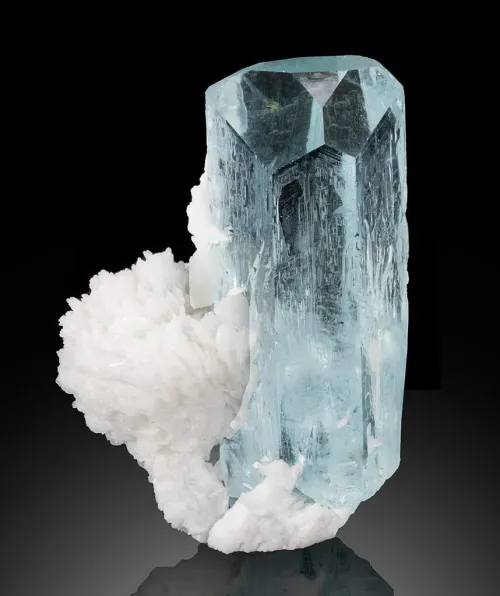
Terms like "scratch-proof" misrepresent Mohs 7.5-8 hardness. This rating means aquamarine resists casual abrasion but may show wear against diamonds or dust-containing grit. Durability myths often overlook that hardness differs from fracture toughness.
Its hexagonal structure allows clean faceting without cleavage planes—minimizing splits when hit. Yet hardness testing proves softer than topaz or corundum. Everyday durability hinges on this balance: vitreous luster maintains shine under typical wear but tends to require bezel settings for vulnerable edges.
Practical care step: lightly swipe the stone over common quartz sandpaper—if scratches occur easily it's likely imitative glass. For genuine gemstones, evaluate setting protection rather than perceived toughness. Prongs over corners reduce chipping risks significantly.
Focus on gemstones where cut proportions (like table size) optimize light return rather than sacrificing brilliance to retain weight. Well-cut aquamarine displays uniform shine across facets—uneven spots hint at weak spots.
"Suitable for any jewelry type" appears true superficially—its stability and beauty suit rings, pendants, and earrings. But unprotected prong settings expose vulnerable areas under daily abrasion, a reality underrepresented in universal recommendations.
Considering edge protection clarifies priorities: protective bezel mountings reduce contact impacts along girdle edges for frequently worn pieces. For pendants or earrings—exposed to fewer impacts—you may prioritize open settings that enhance stone visibility. Pleochroism allows cutting orientation for preferred blue emphasis.
Jewelry selection technique: hold the piece under a handheld spotlight and rotate it slowly. Consistent sparkle without "dead zones" indicates good light performance, while mounting should fully support thinner sections like tapered facets.
Common advice claims "mild cleansers handle all upkeep," ignoring that some methods cause cumulative harm. Ultrasonic waves can propagate internal cracks in stones with inclusions, and high heat may fade stabilized color. This risk magnifies for stones with minor natural fractures.
Reliable care follows scientific properties: gentle lukewarm soap-and-water cleaning retains surface integrity because aquamarine resists cosmetic chemicals and household substances. However, it fares poorly during sudden temperature changes, requiring caution while washing with heated water. Tends to develop dullness if residues accumulate.
Home care procedure: schedule monthly five-minute soaks in room-temperature diluted soapy water, followed by microfiber drying. When encountering maintenance claims, always verify if methods avoid heat above 150°F or prolonged submersion.
Evaluating aquamarine intelligently relies on three anchors: First, color should display characteristic blue-green range with possible variations. Second, verify hardness expectations—7.5-8 means scratch-resistant but not unbreakable. Third, responsible upkeep prioritizes avoidance of thermal shocks and ultrasonic devices. With this basis, you can sift through marketing phrases efficiently. Whenever assessing new stones, start with direct observation: check hue consistency under varying light angles and mountings matching wear frequency. Progress comes through systematic comparison and remembering that every genuine characteristic has discernible evidence.
Q: Do lighter aquamarines weaken faster than deep-blue ones?
A: Color saturation doesn’t alter physical endurance. Mohs hardness and crystal structure remain consistent across shades, though pale stones may show dust more visibly requiring careful setting choice.
Q: Are aquamarine inclusions a defect?
A: Not necessarily—needle-like inclusions can indicate natural origins without diminishing durability or stability. Visible flaws lower value aesthetically but not functionally.
Q: Can this stone fade permanently?
A: Yes—prolonged sun exposure or high heat may reduce blueness over years by altering iron oxidation states. Keep displays away from direct sunlight to mitigate this.


$
