Aquamarine has moderate scratch resistance at 7.5-8 on the Mohs scale – generally durable for jewelry but still vulnerable to abrasives like quartz. The key takeaway: While not fragile, it requires mindful handling and protective settings to maintain clarity over decades of wear.
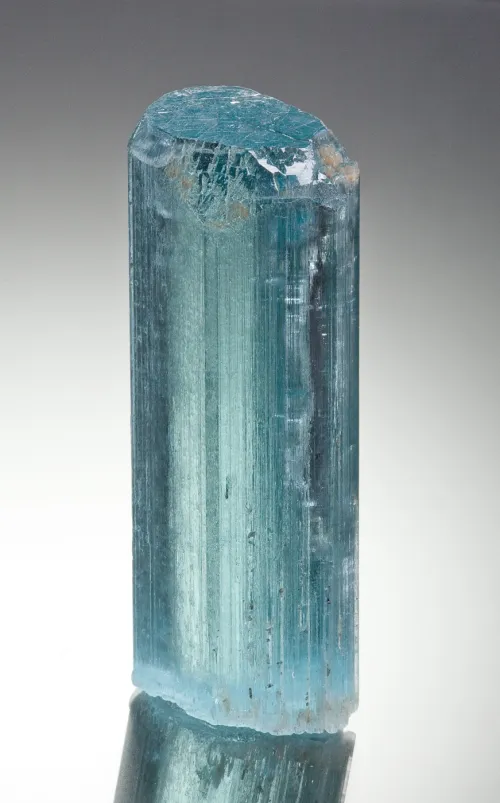
When considering aquamarine jewelry, many encounter conflicting advice. Some claim it's perfectly durable for daily wear, while others share stories of scratched surfaces and reduced brilliance. Online forums amplify this confusion with inconsistent reports – one user reports years of scratch-free use, another shows damage after months. These contradictions mainly stem from misunderstandings about how hardness interacts with real-world forces, or overlooking how settings accelerate vulnerability. Let's untangle what actually causes scratching, examine why different experiences occur, and build a practical framework so you can personally evaluate risk factors.
You'll often hear aquamarine described as "fairly hard," leading some to assume near-imperviousness. This perception comes from its 7.5-8 Mohs rating – higher than many minerals. However, descriptions like "hard" can be misleading without understanding what the scale actually measures. Unlike engineering hardness tests, Mohs scale measures relative scratch resistance. Each mineral can scratch those with lower numbers, meaning objects above 7.5 rating become potential threats.
Technically, anything at 7.5 can scratch itself or softer gems, while quartz (level 7) may cause minor scuffs over years. This seems durable until you realize how many items surpass this threshold: topaz (8), sapphire (9), diamonds (10), even common silicon carbide from sandpaper. Crystalline anisotropy also creates directional hardness differences – pressure on certain axes makes scratching easier despite the rating.
When evaluating a piece, avoid focusing on "hardness" alone. Instead identify environmental abrasives: beach sand near quartz, gardening soil particles, or cleaning powders. Consider where dust frequently accumulates – desk surfaces, open windowsill displays – and assess exposure frequency. These contextual factors matter more than absolute numbers.
Jewelry store displays might convey permanence under pristine lighting, creating unrealistic expectations for daily wear. In reality, vulnerability stems from slow micro-scratch accumulation, not dramatic blows. People first notice problems months/years later without knowing how microscopic quartz dust in household air or clothing fibers gradually degrades surfaces – especially when settings invite contact.
Position affects risk significantly: earrings suffer least, rings face constant knocks, and pendants brush against zippers or bags. Activities matter too – desk jobs pose low risk, while gardening brings quartz contact. Pressure on cleavage planes during accidental knocks against granite counters may cause chipping that mimics scratches. Metal settings themselves even contribute, as friction with gold prongs creates hairline marks on gem shoulders.
Next time wearing aquamarine, notice contact points. Does the setting lift stones flush with surfaces? Do your tasks involve silica dust? Try the "sunlight test": hold pieces at angles to light. Consistent reflections indicate minimal scratches; broken or diffused light suggests surface alterations that need attention.
Some jewelers suggest prong settings maximize sparkle, implying aesthetic superiority by default. While true for light return, this overlooks how exposure impacts longevity. Think of settings as choosing armor: open designs showcase beauty but leave stones exposed to every incidental contact.
Bezel settings dramatically reduce scratching by wrapping metal around vulnerable edges – research shows up to 65% less surface abrasion versus prongs. Lowered settings (stones recessed beneath the metal rim) shield table facets. Cabochon cuts eliminate sharp angles prone to chips. Crucially, inclusions – internal fractures present in most aquamarines – weaken crystal integrity. Mechanical stress near these points may create cracks that resemble scratches.
When selecting jewelry, turn pieces upside down. Can you see exposed gem outlines? Prioritize designs where sides are >50% covered. Notice prong thickness – thinner prongs loosen faster, increasing abrasion risk. Verify inclusions aren't near stress points like corners. Adjustable rings require more frequent stability checks than pendants.
Common online advice suggests scratches appear as deep gouges, but visible damage usually begins subtly. Early micro-scratches refract light differently, creating patches that seem "duller" without obvious ridges, sometimes mistaken for cleaning residue or oil.
Light passing through pristine aquamarine refracts predictably. Abrasions scatter photons unevenly, causing localized matte effects. Magnification often reveals these as intersecting hairline trails – not isolated defects. Refractive index changes accompany subsurface fissures as well. More critically, inclusions act as stress concentrators; pressure near them creates tension stars invisible until cracks propagate to the surface.
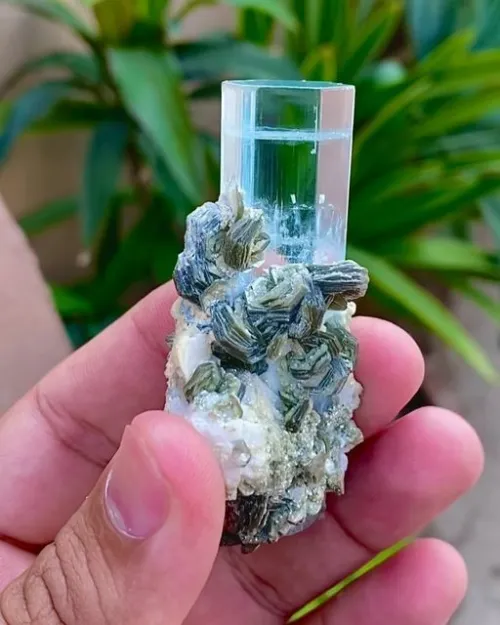
Inspect gems monthly under 10x magnification along tables and pavilions. Move light sources horizontally – micro-scratches disrupt linear reflections. Rub fingertips lightly over facets: deeper scratches catch nails. Watch for directional changes in sparkle as you rotate jewelry; inconsistent flashes often signal cumulative abrasion. Document findings to track progression.
Discussions often pit aquamarine against "softer" or "harder" gems without clarifying practical implications. While tourmaline (7-7.5) and topaz (8) provide benchmarks, what really matters is what happens during common contact.
Aquamarine sits just below topaz and spinels (8), making them potential scratch sources if stored together. Quartz (7) particles require prolonged friction to mark surfaces – unlikely unless embedded in clothing or settings. Crucially, softer nephrite jade (6.5) won't scratch aquamarine but accumulates damage faster during shared activities. Remember, household dust contains quartz particles capable of slowly accumulating marks.
Store separate gem types in fabric-lined compartments. Pair aquamarine rings with stones of similar hardness like emeralds or morganites to avoid inequality. Before multi-stone purchases, verify relative hardness compatibility. Understand that pendants with harder gem drops (like corundums) may abrade aquamarine beads if chains tangle – separate storage helps prevent contact erosion.
A popular myth claims ultrasonic cleaners are universally "safe" due to aquamarine's rating. In truth, vibration risks fracturing around inclusions regardless of hardness. Similarly, thermal shocks from washing cold gems with warm water may introduce micro-fractures, opening pathways for deeper scratches over time.
Chemically, aquamarine's beryl composition means hydrofluoric acid degrades surfaces – surprisingly, some glass cleaners contain fluorides. Alcohols and acetone don't harm the stone itself but may dry out fracture fillings, increasing light scattering. More practically, accumulated lotions or oils trap abrasives against surfaces, turning minor movements into sandpaper-like events. Recutting might improve deeply scratched stones but sacrifices significant mass.
For cleaning, use warm water with mild castile soap – never bleach solutions. Soft brushes shouldn't sweep across inclusions; rinse parallel to facets. Annual inspections by jewelers can detect early abrasion patterns requiring attention. Importantly, remove rings during household chores, especially gardening, sweeping, or laundry – small preventative habits significantly extend pristine wear.
Let's consolidate these insights into a manageable system. First, remember that dust matters more than dramatic drops; quartz exposure accumulates damage slowly. Second, recognize setting design provides more protection than absolute hardness. Third, micro-scratches manifest optically before becoming tactile ridges – regular light checks help catch early. Together, these enable proactive rather than reactive care.
When encountering new pieces, ask: Where will it sit against other objects? How will environmental dust interact? Does the setting design prioritize protection or display? Consider applying the "three-minute assessment": Hold the piece under changing lights to check reflections. Run your thumb along edges checking for texture changes. Estimate quartz exposure frequency in its wearing context. These simple checks before purchases prevent future misunderstandings about scratching vulnerability.
Q: Can aquamarine get scratched accidentally during mundane activities like handling keys?
A: Keys typically measure 3-4 Mohs, well below aquamarine's hardness. Isolated contacts pose minimal risk unless they impact inclusions or cleavage planes. Chronic exposure – like constantly jingling keys against rings – may eventually contribute to micro-surface abrasion along with other particles.
Q: Is aquamarine too delicate for engagement rings?
A: Not inherently. Choose protective bezel settings and consider lifestyle factors. People with desk jobs experience far less abrasion than gardeners or mechanics. Including recutting clauses in warranties provides recourse should significant scratches appear over decades.
Q: Can polishing remove deep scratches?
A: Surface-level abrasions may be polished out, but this removes material – recutting deep scratches can sacrifice >15% carat weight. Consult gemologists to determine viability based on scratch depth and gem orientation.


$
