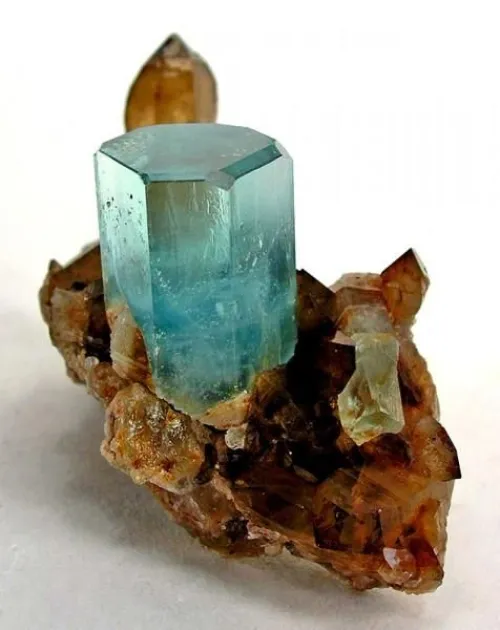
If you've ever encountered confusion about aquamarine's "true" color - whether described as ocean-blue in one source or mint-green in another - you're experiencing a common dilemma many gem enthusiasts face. Between conflicting marketing descriptions, inconsistent photo representations, and natural stone variations, this seemingly simple question becomes surprisingly intricate. By exploring seven key dimensions of aquamarine color through scientific perspective and observational methods, we'll build your ability to independently evaluate and describe this gem's actual appearance beyond surface impressions.
People often expect aquamarine to display a vibrant ocean-blue color based on its name ("water of the sea"), when in reality most natural specimens show subtle variations across a spectrum. This gap between naming convention and physical reality commonly stems from idealized jewelry photography and the challenge of describing color nuances with limited language.
The clearer way to see it is: aquamarine's fundamental color range results from trace amounts of iron within its crystalline structure. Color saturation typically ranges from very light pastel to moderately intense tones, with natural formation environments determining both hue depth and trace mineral profiles. Unlike artificially colored stones, authentic aquamarine tends to appear as a cool-toned transitional color rather than a single fixed shade.
Next time you inspect an aquamarine jewelry piece or loose stone, don't look for one "correct" color. Instead, note whether its hue fits within the blue-to-blush green spectrum. Consider comparing it against known blue standards like topaz or subtle green benchmarks like pale tourmaline. This multi-point comparison approach provides more objective evaluation than isolated color judgment.
When viewing aquamarine jewelry collections side-by-side, many individuals express surprise at the noticeable color differences between pieces assumed to match perfectly. This variation confusion often happens because we unintentionally expect manufactured color consistency rather than natural mineral individuality.
In reality, pleochroism causes dichroic displays in some specimens, revealing multiple color depths when rotated and viewed from different angles. Additionally, color zoning patterns may appear as subtle growth layers, though these often remain aesthetically undetectable without magnification. A simple way to remember natural variation is that two "identical" aquamarine pieces may display distinct cool undertones relative to each other depending on their specific trace mineral composition.
For meaningful examination, rotate stones slowly under bright, neutral lighting while observing color consistency across facets and viewing angles. Notice whether the stone displays uniform color distribution when properly polished, especially within facet junctions where optical properties become most apparent. Natural internal variations typically maintain color stability when viewed from multiple perspectives.
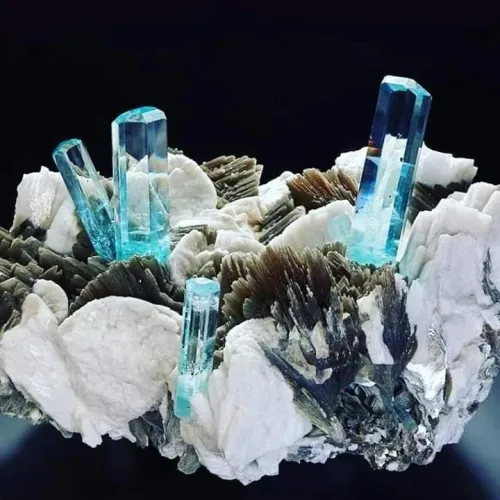
Many assume they're seeing a gem's "true color" immediately upon visual examination, without recognizing how environmental lighting conditions dramatically affect perceived color temperature and saturation. This oversight frequently stems from viewing jewelry exclusively under single light sources like store displays.
Technically speaking, ambiant lighting conditions significantly influence observed color temperature shifts in aquamarine. Its hexagonal crystal system allows light refraction angles that affect perceived brightness, meaning cut proportions ideally optimize internal light reflection across facets for consistent luminosity. Refractive index values of 1.567-1.590 contribute to the characteristic surface reflections that influence how we interpret base color.
A realistic method is examining stones in both natural daylight (morning through noon) and typical home lighting. Pay special attention to how the color shifts between these environments - whether it reveals blue versus green undertones more prominently. Keeping a small neutral gray card for background comparisons can help isolate the gem's authentic color from environmental tints. Notice how faceted stones typically maintain greater color integrity under UV light exposure compared to coated alternatives.
When encountering exceptionally vibrant blue aquamarine at surprisingly affordable prices, some automatically assume industry grading standards are more inclusive than expected. However, this gap often indicates non-disclosure of common enhancement processes rather than rarity leniency.
What actually occurs is heat treatment may alter greenish tones toward pure blue without structural damage, creating desirable results. However, clarity enhancement through lead glass filling requires professional verification for color consistency across treatment. Be aware that surface coatings temporarily enhance saturation but diminish with normal abrasion wear over time. Stones with natural formation characteristics tend to demonstrate uniform color distribution when properly polished.
When evaluating potentially treated aquamarine, focus first on color distribution - look closely for inconsistencies near fractures or facet junctions where enhancement materials might accumulate visibly. Also consider specific gravity measurements of 2.68-2.74 for identification without color alteration. For investment-grade pieces, independent certification becomes essential to document natural formation versus enhancement.
Frustration often surfaces when an aquamarine appears perfect during daylight viewing yet appears unexpectedly flat during evening events. This discrepancy occurs because many people underestimate how dramatically light type transforms our visual interpretation of the stone's fundamental properties.
A key perspective is that dayight versus artificial light interactions may cause visible shifts between blue and green undertones due to spectral differences in various light temperatures. The refractive brilliance that contributes to surface reflections also enhances perceived color depth under certain lighting angles. Remember that higher quality cut stones demonstrate uniform color distribution across different lighting conditions.
Before purchasing or assessing aquamarine, establish a consistent lighting ritual: make three observations under natural north-facing daylight, warm incandescent bulbs, and cool fluorescent lighting. Notice whether the stone loses vibrancy equally across all lighting - uniform dullness suggests inherent characteristics, while extreme inconsistency might indicate surface alteration. This triple-check avoids misjudgments based on temporary lighting conditions.
Common marketing images showing perpetually perfect blue aquamarine contribute to assumptions that this gem maintains consistent coloring regardless of environmental factors. This expectation frequently leads to disappointment when untreated stones naturally shift appearance during seasonal sunlight changes.
Practical considerations include mohs hardness rating of 7.5-8 providing scratch resistance for long-term color preservation. Thermal stability generally permits safe jewelry cleaning without significant fading risk under normal exposure. Crucially, surface coatings that temporarily enhance saturation may diminish with normal wear abrasion, leading to unexpected appearance changes over time.
When selecting aquamarine for daily wear pieces like rings, observe whether the vendor specifies long-term color retention properties specifically for their pieces. Consider stones cut to maximize internal reflection as they maintain more consistent visual volume through cleaning cycles. For heirloom-quality pieces, inquire about documented lightfastness testing. Remember that color stability differs dramatically between minimally treated versus heavily enhanced stones.
Q: Can natural aquamarine appear fully blue, or does it always maintain some green?
Natural aquamarine forms on a spectrum from soft greenish-blues to faint sky blues. Exceptionally rare specimens may approach nearly pure pale blue tones through natural formation rather than treatment.
Q: Does aquamarine darken in sunlight over years?
Generally speaking, faceted natural specimens maintain reasonable color integrity through UV light exposure under typical conditions. Prolonged harsh direct sunlight exposure may potentially cause minor fading in untreated stones over generations.
Q: Why do some aquamarine pieces appear more transparent than others?
The combination of natural inclusions rarely impacting transparency due to low visibility against pale hues and refractive index values contributing to surface reflections helps create perceived transparency levels.
Understanding aquamarine's color dynamics teaches us that no gem exists in isolation - its appearance depends on inherent properties and viewing context. Keep these two principles at hand: true aquamarine exists within a natural blue-green spectrum rather than fixed single hue, and light quality dramatically transforms our color experience. When next evaluating an aquamarine piece, implement one practical habit: always request to see it under three light sources (daylight, warm bulb, cool bulb) rather than just display lighting. This simple procedure immediately makes visible the authentic properties beyond marketing descriptions. Remember that expertise develops gradually through deliberate, focused observation - each time you consciously apply these principles, you build lasting mineral understanding.


$
