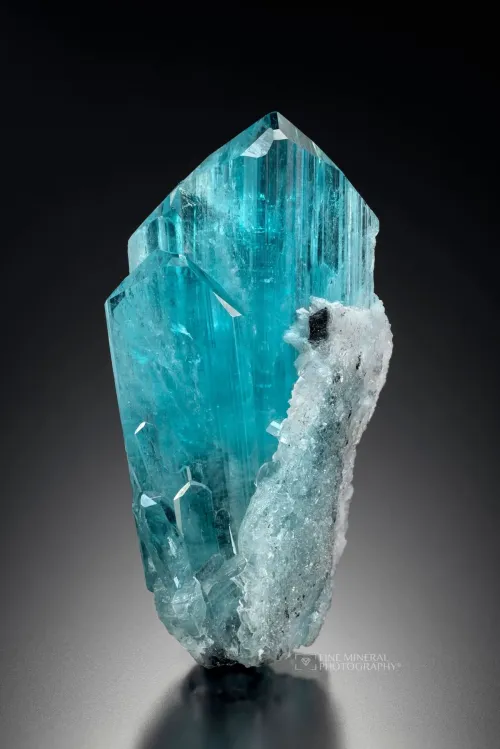
When creating holiday jewelry with aquamarine, enthusiasts often face conflicting advice about pairing possibilities. Some believe aquamarine works exclusively with other blue gems, while others suggest seasonal reds and greens inherently clash. Common uncertainty also arises around mixing stone hardness levels or translating birthstone symbolism into cohesive designs. This guide clarifies those misconceptions by examining technical compatibility through five essential pairing dimensions, helping you systematically select combinations that maintain visual balance while accommodating seasonal wear demands.
Many assume aquamarine's cool blue only partners well with similar hues. This perception often comes from jewelry collections where monochromatic schemes dominate displays. Holiday sets, however, invite thoughtful contrasts.
The clearer way to evaluate pairings involves analyzing hue relationships. Aquamarine's light blue-green can create elegant complements with cooler diamonds or warmer citrines, provided saturation levels coordinate. Technical pairings tend to utilize stones with specific optical properties; light refraction patterns may be calibrated to maximize brilliance contrast in adjacent stones, creating visual harmony without matching colors precisely.
When pairing stones, first note aquamarine's subtle color undertones. Hold potential partner stones beside it under daylight - harmonious combinations will exhibit balanced brightness without either gem appearing dull. Then check hardness compatibility; ideally, companion stones shouldn't exceed aquamarine's 7.5-8 Mohs rating by more than 1 point. This two-step observation can reveal unexpected pairings like pearl's soft luster contrasting beautifully with aquamarine's clarity.
Holiday jewelry sets often pose challenges for proportion and versatility. Designers sometimes prioritize festive styling over comfort, creating pieces impractical for extended wear.
In reality, well-constructed sets balance aesthetic impact and functionality. Layered necklace designs may incorporate graduated chain lengths from 16 to 20 inches, allowing versatile styling while accommodating various necklines. Proportions might follow golden ratio principles for visual cohesion, ensuring aquamarine remains focal without companion stones competing for attention. Technical features like adjustable extender chains provide 0.5-inch length variations for personalized adjustments.
Next time you create a set, sketch the weight distribution. Place larger stones at visual anchor points like pendant centers, with smaller complementary stones radiating outward. Test draping positions with temporary settings before finalizing – note how different gem placements affect movement and visual flow. Holiday sets particularly benefit from this spatial planning, allowing elegant transitions between daytime brunches and evening events.
Selecting stones based solely on color names frequently leads to mismatches. Catalog descriptions rarely capture how stones interact under lighting variation.
More accurate evaluation considers three elements: hue position, saturation, and tone. Complementary pairings, like aquamarine with citrine, should have similar saturation levels to prevent one overwhelming the other. Designers often analyze hue, tone, and saturation differentials to prevent clashing before finalizing combinations. This thorough comparison helps identify which specific stone shades create vibrant yet balanced pairings rather than muddy mixes.
Carry a neutral gray card when comparing stones. Photograph potential combinations in different lighting conditions without flash. Notice how both stones react to changing light - harmonious pairings will maintain their relationship across environments rather than shifting unpredictably. For holiday evenings, test under candlelight equivalent (2700K lighting) to ensure warm glow environments won't create unexpected dissonance.
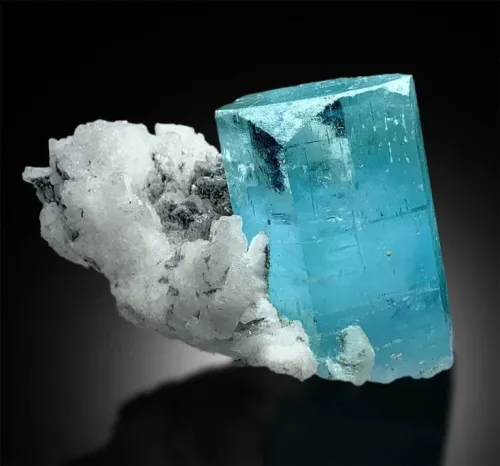
A common assumption is that all stones withstand daily wear similarly. This leads to avoidable damage risks when softer stones like pearls join aquamarine in sets.
Practically, pairing decisions should account for Mohs hardness ratings. Pairings may minimize abrasion risk by maintaining relative hardness ratings within 2 points during contact. Settings might feature reinforced prong designs to prevent movement-related dislodgement. Additionally, thermal-expansion matching between settings and stones can prevent stress fractures during temperature fluctuations common in holiday seasons.
When examining settings, run your finger around the stone borders. Protective bezel settings should fully cover at least 20-30% of each gem's crown height. Check clasp mechanisms on necklaces or bracelets containing multiple stones; dual security features tend to offer reliable closure. Remember that holiday parties increase accident risks, so durable construction becomes especially important.
Many view holiday jewelry as universally formal, overlooking how daytime events need different considerations than evening galas.
Thoughtful occasion pairing adapts stone proportions to event context. Daytime pairings tend to utilize smaller accent stones against aquamarine, reserving bolder combinations like diamond clusters for evening visibility. Technical planning can include analysis like stud earring positioning between 10-15 degrees for comfortable lobe alignment during prolonged wear. Post assemblies with balanced angles maintain comfort regardless of wearing duration.
Match stones to event duration. Shorter gatherings allow flexibility with delicate pairings like pearl accents, while multi-hour celebrations demand durable combos. Notice jewelry interaction with clothing textures; smooth gem cuts work best with textured fabrics like holiday sweaters. Prepare for wardrobe changes by selecting stones whose brilliance transitions well between matte and shiny fabrics.
Symbolic pairings often get reduced to generic "love" or "protection" meanings, overlooking how layered meanings interact.
Meaningful integration reconciles symbolic interpretations through visual storytelling. Combining aquamarine's calm serenity with a June pearl's purity messages might use graduated sizes to suggest harmony rather than conflict. Designers may incorporate birthstone symbolism consciously through proportion hierarchy rather than symbolic keyword lists.
Before combining stones, research their cultural associations beyond marketing phrases. Consider how these narratives interact for the gift recipient. For example, pairing aquamarine (traditionally symbolizing tranquility) with diamond (enduring love) might represent "peaceful commitment" rather than blending generic positive traits. Position stones to support this narrative - diamond above aquamarine can visually represent serenity supporting enduring bonds.
Selecting stone combinations solely by preference without considering complexion often creates visual disharmony - stone colors either disappear or clash against skin.
Effective coordination considers undertone matching and contrast levels. Cool-toned complexions usually harmonize best with blue-green aquamarine paired with cooler diamonds, creating resonant harmonies. Warmer complexions can carry contrasting options like citrine more effectively, leveraging skin undertones to amplify gem presence. Metals supporting these combinations may undergo nickel-free certification for sensitive skin.
Test pairings against three environments: natural daylight, warm indoor lighting, and cool-toned office lighting. Notice how skin-tones interact differently in each setting. Hold stones near vein areas on your wrist to check undertone compatibility. For gift-giving, if skin tone testing isn't possible, medium-saturation stones like white topaz with aquamarine provide adaptable middle-ground solutions that flatter most complexions.
Understanding aquamarine pairing fundamentals empowers you to create cohesive holiday designs methodically. Focus on harmonizing three essentials: relative hardness compatibility within 2 Mohs points, saturation balancing for visual harmony, and occasion-appropriate size ratios. When encountering marketing claims about gem combinations, first check these physical properties, then evaluate symbolic alignment.
Apply this knowledge right away: next time you see mixed-stone holiday jewelry, examine one technical feature discussed here - perhaps mounting configurations avoiding color interference or prong protection levels. Then consider one visual dimension like saturation coordination. This two-point check turns observations into applied insight, gradually building your judgment skills without pressure for immediate perfection.
Q: Can I pair aquamarine with birthstones of significantly different hardness levels?
A: Pairing stones with hardness differences exceeding 2 Mohs points may require protective setting techniques. Physical separation through bead spacers or reinforced metal barriers can minimize abrasion risks.
Q: How do lighting conditions affect paired gemstones visually?
A: Mixed gems may appear differently under varying light temperatures. Cool-toned stones like aquamarine often appear bluer under daylight, while neutral diamonds maintain consistency - test pairings under relevant lighting before finalizing.
Q: What's a simple way to coordinate birthstone symbolism?
A: Focus on one shared symbolic element rather than forcing multiple meanings. For example, both aquamarine and citrine carry associations of positive energy, forming conceptual harmony despite color differences.
Q: Can birthstone pairs work across jewelry types?
A: Certain pairs translate consistently; aquamarine and diamond can maintain harmony in earrings requiring stones under 5mm, or pendments needing stability for gemstones over 8mm - consider scale for consistent visual impact.


$
