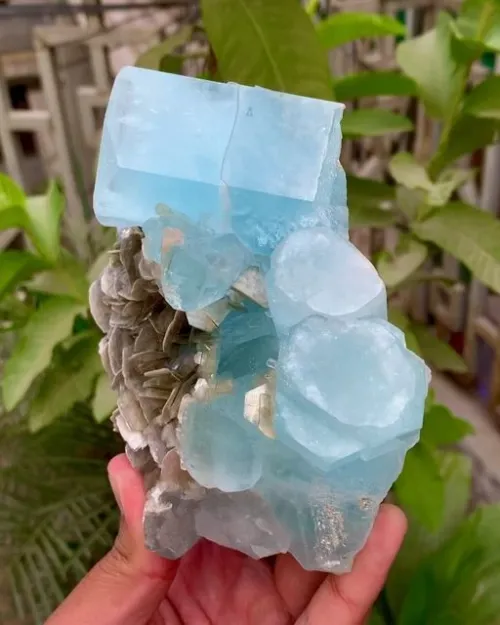
Many find selecting holiday jewelry challenging – conflicting color advice, uncertainty about formal versus casual wear, or concerns about gems clashing with fabrics. We often hear sweeping statements like "aquamarine only suits summer" or "holiday jewelry must be bold," creating confusion. This guide clarifies practical styling by examining how aquamarine's inherent traits interact with seasonal elements. We'll explore color pairings, texture relationships, and occasion-based approaches, helping you make confident choices.
People often describe aquamarine as "sea-blue" without recognizing its light-dependent behavior. This oversimplification overlooks how its delicate blue-to-teal range behaves under different settings. Descriptions like "ocean jewel" can create unrealistic expectations about consistent color saturation.
The clearer perspective observes that faceted cuts maximize light return through angled surfaces. This may highlight its distinctive light blue tone, particularly under indoor lighting common at gatherings. Its color spectrum leans cool, avoiding warm undertones that might compete with traditional holiday reds or golds.
When assessing pieces, notice reflections under varied lighting: Rotate it near windows and lamp sources. Does its brightness enhance without overpowering? Next time you try aquamarine, observe whether its hue complements rather than clashes with your complexion. Start with lighter pieces before progressing to bolder statements.
Many assume aquamarine requires exclusively pairing with blues, ignoring its versatility. This misconception may stem from product shots showing isolated stones against monochrome backdrops, missing contextual coordination opportunities.
In reality, neutral metallics like sterling silver may form seamless transitions between gem and garment. Aquamarine can harmonize effectively with deep jewel tones without vanishing against them – emerald velvet or sapphire silk often create sophisticated contrasts. Its cooler undertones may balance warm complexions when layered correctly.
Practical application: For holiday outfits, first anchor your palette. If wearing burgundy, layer a small aquamarine pendant over cream separates. Notice how metallic elements bridge colors: White gold chains can unite the stone with silver-threaded fabrics. Remember, successful pairings rely more on value contrast than perfect hue matching.
A common refrain: "Aquamarine looks best against smooth fabrics only," disregarding modern compositions. This stance may arise from older bezel settings with protruding edges catching on textured weaves.
Contemporary designs often include smoothed contours to minimize textile friction. Durable prong-set solitaires tend to sit flat against knits when properly manufactured. Modern pieces are typically crafted to resist catching on woven materials like fine wool or velvet due to their rounded edges.
How to apply: Observe the setting depth and edge detailing. Before wearing new pieces against specialty fabrics like lace, gently brush a swatch across gemstone edges. If no snags occur, it likely incorporates friction-minimizing design. Prioritize pieces under 10mm height when pairing with deeply textured fabrics.
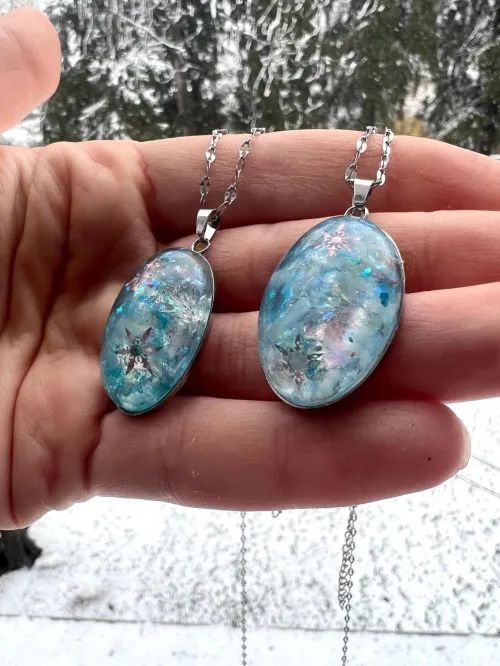
A frequently cited rule: "Holiday accessories must be large and attention-grabbing," pressuring over-ornamentation. This stems from festive advertising emphasizing dramatic centerpieces while underplaying versatile subtler options.
The adaptable nature of aquamarine supports both delicate and pronounced expressions. Smaller carat sizes often provide subtle elegance for daytime gatherings but can be layered strategically. Larger statement pieces might work as focal points for evening occasions by keeping surrounding accents minimalist. Secure clasp mechanisms tend to prevent loss during animated socializing, allowing confident movement.
Apply this insight: Choose one anchor piece per outfit – either a standout item or a cohesive smaller set. For dinners, try a single bezel-drop necklace against solid fabrics. Notice how its sparkle interacts with candlelight rather than competing with sequined details. Next gathering, alternate between a solitaire statement ring and a daintier tennis bracelet.
A persistent dilemma: "How formal must aquamarine jewelry be?" often reflects uncertainty about translating pieces across events. Casual lunch versus cocktail party aesthetics demand different weighting.
The gem’s tendency to complement rather than dominate supports transition between occasions. Lightweight settings typically enhance comfort for all-day wear. Sterling silver options might align with everyday holiday outfits, moving flexibly between markets and meals. White gold designs may transition smoothly from afternoon gatherings to formal dinners without appearing overly ornate.
Building event-based versatility: Start with daytime settings – perhaps stud earrings complementing your casual knitwear. For evening transformations, layer a floating pendant above your dinner dress without changing foundational accessories. Observe temperature lighting shifts: Aquamarine under twinkling lights emits different qualities than in daylight.
We often hear "Aquamarine withstands all holiday mishaps," underestimating special care. Spills, lotions, and decorations can introduce cumulative issues not immediately apparent.
Materials may retain their appearance under standard conditions through routine gentle cleaning specific to metal settings. Exposure to acidic foods or hairspray can necessitate prompt wiping. The gemstone presents standard hardness for jewelry applications but benefits from protection against sharp impacts near décor.
Proactive approach: Position gems away from high-contact areas when possible (e.g., bracelets shifted slightly above wrists during meals). Carry a soft polishing cloth for incidental exposures. Avoid wearing rings during cookie baking or tree decorating where batter or sap could lodge around settings. Notice whether clasps remain secure after catching on wraps or scarves and adjust accordingly.
Ultimately, successful aquamarine styling relies on observing color interactions, ensuring comfort in movement, and aligning jewelry weight with event length. Three guiding principles warrant remembering:
First, evaluate pieces against your seasonal palette – neutral metallics serve as adaptable connectors. Second, prioritize secure settings over fleeting trends when planning multi-event wear. Finally, understand that subtle enhancements often outperform bold statements during festive gatherings.
Next time you select a piece, ask two questions: Does its color presence complement without overwhelming my planned outfit? Is the setting comfortable enough for extended wear? Notice these details before considering secondary factors.
Your progression happens through conscious practice: Start by testing one aquamarine item against your holiday wardrobe. Notice its relationship with fabrics and lighting. Each considered choice deepens your understanding.
Q: Can lighter aquamarine pieces pair with darker winter palettes?
A: Yes. When strategically placed against lighter layers like mock necks or neutral scarves, smaller pieces may offer intentional contrast without disappearing. Faceted designs typically capture and reflect light effectively.
Q: How does aquamarine hold up during outdoor seasonal activities?
A: While resistant to incidental moisture, settings may require inspection when exposed to rain or snow activity. Protective setting designs may help minimize vulnerability to impacts during active gatherings.
Q: Can I layer aquamarine with other gems for holiday looks?
A: Limited layering sometimes proves effective. Consider keeping metal tones consistent while alternating gemstone prominence – perhaps an aquamarine pendant over diamond studs. Avoid crowded combinations that compete for attention.


$
