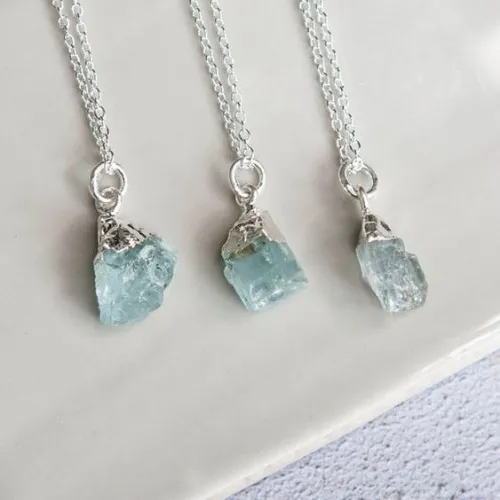
Finding meaningful holiday gemstone gifts often brings confusion. You might wonder whether cheaper aquamarine stones are authentic, how to judge quality markers at this price range, or if budget pieces sacrifice durability. Some advertisements showcase brilliant gems without discussing daily care, while others suggest "size equals value" without explaining what enhances longevity. This guide clarifies five key areas about gifting aquamarine jewelry under $100, separating popular assumptions from verifiable details so you can select wisely.
Stories often center on aquamarine’s pale blue color linking to winter aesthetics. This surface-level focus overlooks technical advantages: its versatile coloring pairs with metallics frequently used in holiday wardrobes, and durable compositions support recurring wear.
In reality, aquamarine stones exhibit soft blue-green undertones that tend to complement diverse skin tones when set beneath warm lighting. Technically, stone cutters optimize facets to enhance light reflection against seasonal fabrics like velvet or metallic threads. A simple way to verify this: observe a piece under mixed lighting near evergreen decorations or candlelight to see how its transparency interacts with warm tones.
When examining jewelry displays, notice how the gem appears against silver, gold, or textured backgrounds. Place it temporarily near red or green objects to simulate holiday settings. This helps assess versatility beyond catalogue images.
Discussions about "getting what you pay for" may imply lower-priced pieces equate to poor durability. This perspective often ignores engineered solutions – like precision settings that maximize small gems’ presence while controlling costs.
Clearer understanding comes through material science: sterling silver foundations may resist tarnishing while supporting affordability. Additionally, settings like bezels or clustered prongs can securely hold stones without complex gold work. One relevant example involves adjustable chain lengths that provide comfortable fitting across wrists or necks without costly modifications – a feature worth more than its technical simplicity suggests.
Prioritize exploring jewelry with proportional scaling. If possible, handle samples to test clasps or moveable components. Listen for smooth operation and notice whether structural reinforcements exist at stress points like ring bands or pendant bails.
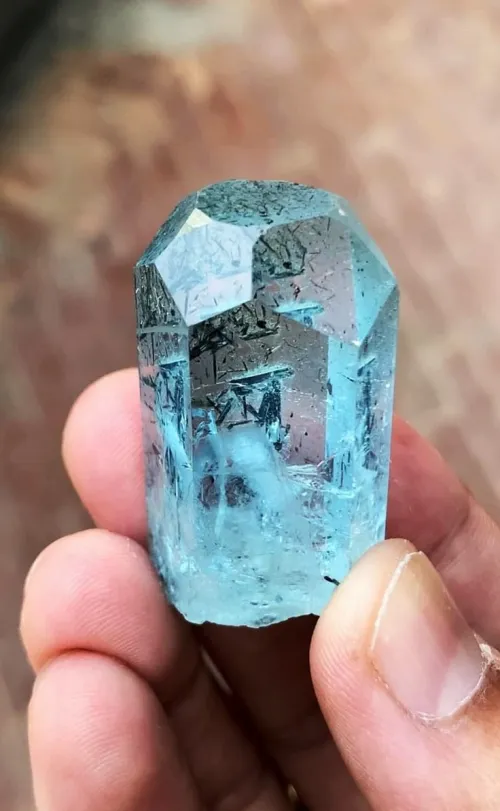
Many believe visible sparkle indicates overall quality. While brilliance draws attention, lasting resilience involves hidden details like gem anchoring or metal thickness that are frequently underestimated in descriptions.
Technically speaking, affordable pieces can incorporate durability through calculated engineering. For instance, carefully polished surfaces tend to resist micro-scratches, while strategic metal thickness balances support with wearability. Crucially, bezel or prong settings may prevent stone dislodgement during active use. These features matter more than ornate decorations for jewelry meant to become everyday pieces.
Develop a quick inspection routine: first examine junctions where gems meet metal under magnification for gaps, then gently press components to check flexibility. Next, rotate items to see uniform polishing. This two-step approach reveals craftsmanship surpassing price-based expectations.
Marketing messages sometimes promise "effortless shine," downplaying necessary maintenance. Such claims create unrealistic expectations about cleaning needs or environmental resistance. Affordable pieces demand realistic upkeep.
Maintenance reality involves preventing gradual decline by avoiding chemical exposures. Simple habits like post-wear wiping can preserve surfaces, while dedicated jewelry storage prevents damage during non-use. Additionally, replacing components like clasps may extend usable lives if the foundational structure remains intact. Value retention often stems more from consistent maintenance than initial material grade.
Practice preventative care: after wearing jewelry, gently wipe surfaces using soft fabric before storage. Create monthly reminders to examine clasps and settings under bright light. These micro-habits require little time but cumulatively sustain the piece’s look.
Effective gemstone gifting relies on observing structural details and setting reasonable expectations. Remember to appraise components like metal-polished joins and gem securements over fleeting sparkle, and pair beautiful pieces with practical upkeep awareness.
When encountering new jewelry options, try this: first, identify the main security mechanism holding stones – is it clustered prongs? A partial bezel? Notice potential friction points. Then consider how the design accommodates movement. These tangible observations build discernment. Lasting satisfaction emerges from understanding limitations and potentials, not from chasing perfection within constraints.
Q: How durable are aquamarine pieces for daily wear?
A: With protective settings like bezels or reinforced prongs, pieces may withstand regular use. However, avoiding impacts against hard surfaces tends to preserve their appearance longer.
Q: Can budget-friendly options still reflect personal style?
A: Designs that emphasize clean outlines and versatile sizes can integrate well with different looks. Consider adjustable fasteners or minimalist profiles as adaptable foundations.
Q: What temperature conditions might affect aquamarine jewelry?
A: Extreme temperature shifts should generally be avoided as they can weaken structural adhesives over time. Gradual acclimatization to seasonal climates may help maintain integrity.


$
