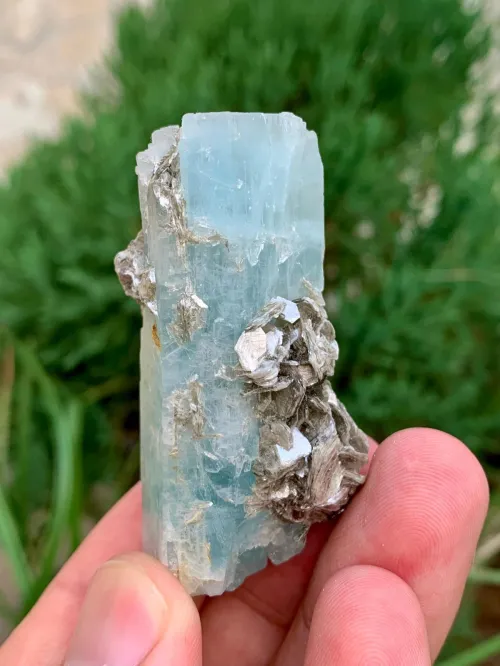
Discovering the best way to clean your aquamarine jewelry often leads to conflicting advice. Some sources claim ultrasonic devices are universally safe for gems above 7 on the Mohs scale, while others insist they’re always hazardous. This confusion usually stems from oversimplified marketing claims and general recommendations in jewelry care articles. This guide will separate common assumptions from verifiable facts about gemstone properties, vibration physics, and long-term impact factors. You’ll learn to objectively assess both your specific piece and cleaning methods for balanced decisions.
Many assume ultrasonic cleaning is harmless for aquamarine because it scores 7.5–8 on the Mohs hardness scale. This perception emerges from chart-based care guides categorizing minerals above 7 as "safe" for various methods. Yet hardness alone represents resistance to scratching, not resilience against vibrations or sudden environmental changes.
In reality, high-frequency vibrations cause microscopic flexing within gems. Aquamarine typically forms with internal fractures or liquid inclusions, which can serve as focal points for energy concentration. Technically speaking, this may lead to crack propagation even in apparently durable stones. Additionally, thermal sensitivity means rapid temperature shifts from heated ultrasonic solutions might induce structural stress through differential expansion.
Next time you consider this method, first examine your item under magnification. Look for intersecting fractures indicating higher vulnerability areas. If fractures are visible, immediate skip ultrasonic options. If the stone appears flawless, test the cleaning solution temperature separately on less precious metal objects first—aim for lukewarm ranges to minimize thermal shock risks.
Aquamarine jewelry descriptions sometimes state "durable enough for ultrasonic cleaning," suggesting uniform tolerance. Shorthand advice like this overlooks individual variations in gem formation characteristics beyond basic hardness ratings.
Distinct features affect outcomes significantly. Natural fracture networks or fluid inclusions present in many aquamarines can amplify vibrational stress, potentially causing fissures. Stones subjected to prior heat treatments (common in color enhancement) may demonstrate altered stability against agitation. Simultaneously, jewelry designs featuring elaborate prong settings face mechanical movement issues; high-frequency waves might progressively loosen stone positioning over repeated cycles even if the gem remains intact.
When assessing vulnerability, combine multiple checks. View inclusions under 10x magnification—cloudy zones signal higher risk than isolated growth lines. Review any certification documents mentioning treatments since heat-exposed stones generally warrant extra caution. Finally, physically gently wiggle prongs to detect pre-existing instability before considering vibration-based approaches. These layered observations create a clearer picture than single-factor reliance.
Discussions often frame choices as "ultrasonic or poor cleaning," implying effectiveness sacrifices without industrial gear. This bias commonly appears because commercial jewelers default to equipment maximizing speed.
Simpler approaches can deliver outstanding results when tailored correctly. For example, gentle soaking in lukewarm water mixed with mild pH-neutral soap loosens oils organically without mechanical stress. Studies consistently show routine debris buildup dissolves effectively during 15-minute immersions. Complement this with a soft-bristled toothbrush for recessed areas—non-abrasive materials minimize surface scratches while dislodging particles at setting junctions.
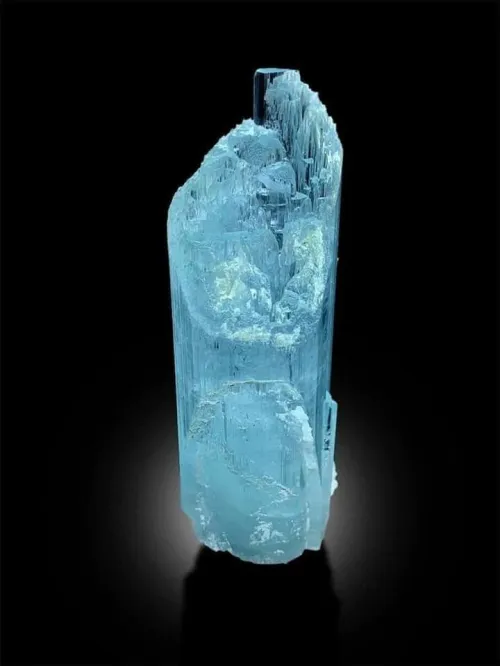
Apply this knowledge when designing your care routine. Start with the gentlest approach: soak pieces for 10 minutes before softly brushing crevices. Rinse under temperate running water and dry using lint-free cloths, paying attention to underside areas where moisture accumulates. Only escalate to stronger methods like specialized steam wands if residues persist after two attempts, always avoiding solutions containing ammonia or alcohol unless formulated explicitly as gemstone-safe.
A piece surviving one ultrasonic session seemingly intact fuels the notion "it’s safe," yet cumulative effects often manifest subtly. Users typically notice severe fractures first, missing precursors like subtle light refraction shifts.
Consistent inspection focuses detection early. Surface micro-scratches from abrasives may lower refractive brilliance around facet edges. Hazy inclusions expanding post-cleaning could indicate water penetration or fracture widening. Also watch prong alignment; repeatedly exposed jewelry might show movement when pressed gently. Thermal impacts sometimes appear as subsurface tension marks creating cloudiness observable against white backgrounds.
Create a monthly inspection ritual. First clean stones minimally (dust with microfiber). Then examine them near bright diffuse lighting rotated slowly—opacities indicate new concerns. Compare today’s appearance against a reference photo taken upon acquisition. Finally, evaluate prong tightness using wooden toothpick touching only metal; movement signals setting repairs needing priority over aggressive cleaning. Catching these signals prevents minor issues escalating.
"Aquamarine’s hardness prevents all damage" persists despite evidence. This myth partly stems from Mohs scale oversimplifications in education materials.
Critical factors often get overlooked. While aquamarine can tolerate occasional cleaning cycles when flawless, most pieces possess internal tension points. Furthermore, ultrasonic machines vary: lower-frequency devices generate higher amplitudes transferring more energy than their high-frequency counterparts. And chemical interactions matter—trace surfactants leftover in unit tanks might interact with mineral surfaces over time.
A helpful way to reframe decisions involves assessing three variables together: equipment specifications (frequency/duration), your gem’s clarity documentation, and residue risks from cleaning solutions. If unclear about frequency specifications in manual descriptions, defer to methods involving physical soaking. For pieces having clarity grades documented (VS+ ideal), brief sessions could be considered, but track changes closely following exposure. Otherwise, reliance on lower-risk techniques remains advisable for long-term value retention.
You’ve now explored how multiple dimensions—individual gem characteristics, equipment variability, and cumulative factors—influence ultrasonic cleaning suitability. Focus remembering these three pillars: internal clarity largely dictates fracture risk before vibration levels or chemicals come into play, gentler alternatives achieve deep cleanliness without inherent physics risks, and ongoing observation preserves integrity better than reactive fixes. Moving forward, when encountering jewelry care claims, pause to consider gem condition evidence and solution properties first rather than defaulting to binary options.
Try this tiny habit next time: Before cleaning any aquamarine item, observe its back facets under 5–10x zoom. Note inclusion patterns using simple terms like "clear zones" or "feather lines." Match findings against the risk spectrum discussed—this 90-second check builds practical judgment muscles.
Q: Can aquamarines with lighter coloration handle ultrasonics better?
A: Color saturation doesn’t directly correlate with structural durability. Pale stones may still have inclusions affecting stability. Assess based on your findings during magnification checks.
Q: Does the jewelry setting change considerations?
A: Settings may introduce additional complications. For instance, tension mounts concentrate vibrational forces differently than bezels. Gold alloys less than 14k may also show earlier fatigue. Evaluate both gem and setting using guidelines here.


$
