You've probably heard all sorts of claims: "It's called aquamarine, so water must be fine!" or "Hard gemstones never get damaged by showers." Meanwhile, jewelry forums burst with conflicting anecdotes about dulled stones and loose prongs. This confusion often springs from oversimplified slogans and misunderstanding how showers affect precious materials. We're about to unpack seven essential considerations around water exposure, moving beyond surface-level assumptions to give you measurable criteria for protecting your blue gem. By the end, you'll recognize potential threats and know how to evaluate your specific piece.
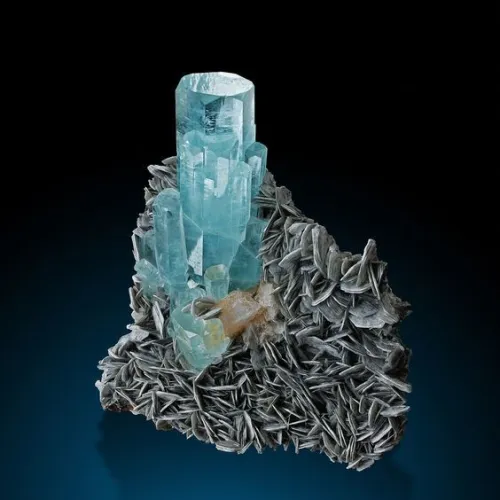
Many believe that since aquamarine ranks 7.5-8 on the Mohs scale, it automatically becomes "shower-proof." This myth persists because retailers frequently promote hardness values as complete durability indicators. People overlook that shower risks include thermal stress, chemical exposure, and adhesion failure – not just scratching from harder materials.
The clearer way to see it: Aquamarine's water resistance requires analyzing multiple factors simultaneously. While its hardness protects against casual abrasion, thermal shock resistance varies depending on internal inclusion density and cutting geometry. Sudden temperature changes during showers can induce microfractures in included stones, even when hardness seems adequate. Understanding these hidden variables helps explain identical-looking pieces showing different responses.
Next time you evaluate jewelry, look beyond the surface rating. Ask about the stone's clarity characteristics and origin. Heavily included aquamarines or those treated for enhancement tend to have lower stability in fluctuating environments than untreated, eye-clean specimens. Combine this with your setting check for comprehensive assessment.
A common question emerges: "If my aquamarine ring survived a beach trip, why worry about showers?" This viewpoint misunderstands how repeated domestic exposure creates unique risks, often accelerated by chemical interactions rather than single events. Steady wear under controlled conditions differs greatly from daily showers.
Reality reveals several interacting factors: Chlorine compounds common in tap water may gradually erode rhodium plating on white gold settings. Simultaneously, steam penetration may expand microscopic fissures present in lower-clarity specimens, especially paired with vibrations from water pressure dislodging stones with compromised gallery wires. Even more concerning, ionic reactions between hard water minerals and alloy metals can cause surface patina formation.
To assess your environment, observe shower habits realistically. Notice if your soap leaves residue on shower doors—heavy surfactants demand extra vigilance. If you see white crusts around faucets indicating hard water, prioritize thorough drying routines. Keep a dedicated microfiber cloth near your vanity to make this easier.
Some jewelers claim, "A bezel setting makes everything waterproof," but this oversimplifies construction nuances. Consumers frequently pay premiums for perceived security without knowing critical design benchmarks for wet environments. Adhesion quality matters as much as style.
Technically speaking, effective protection involves specific thresholds: Bezel edge thickness above 0.4mm provides structural durability against impact during wear while resisting warping from humidity cycling. Double-prong configurations enhance stability for recurring water contact when properly tensioned. Meanwhile, silicone-based sealants in premium settings form moisture barriers at stone bases. However, no setting type should be considered permanently impervious.
How Water Enters: Common PathwaysHydrophobic coatings applied to settings reduce mineral deposit adherence on metal surfaces, but microscopic gaps always occur. Moisture can travel along metal through capillary action - even well-executed settings require maintenance. Understand these invisible channels to properly care for pieces.
Before wearing any jewelry in water, inspect prong placement. Well-constructed settings shouldn't have visible gaps near the stone's girdle. Run your fingernail gently around the setting's perimeter. If it catches, that could indicate lifting. Consider these checks especially important with tension or pavé styles where multiple contact points exist.
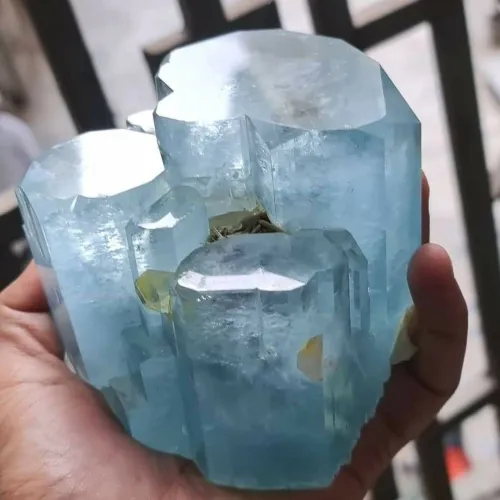
Many think, "Cloudy stone means I scrubbed wrong," not recognizing it as a systematic issue. This misunderstanding causes delayed action because people attribute subtle changes to temporary smudges rather than underlying material breakdown in wet conditions.
In reality, residual soap scum accumulation subtly diminishes brilliance long before visible damage appears. Other precursors include new surface matte areas indicating micro-pitting necessitating professional refinishing post-exposure. Also watch for color changes at the junction of stone and setting – a possible sign of adhesive breakdown.
Monthly "health checks" help catch issues early: Hold pieces up to good light and rotate slowly. Notice if reflections appear uniformly bright across facets. Place the item on blank white paper to detect haze formation. These simple observations reveal developing problems faster than waiting for obvious damage.
"All cleaned jewelry looks fine" seems straightforward until restoration specialists encounter damage caused by improper techniques. The gap between basic cleaning and maintenance optimized for water exposure often goes unmentioned except in professional guides.
Proper protocols include key actions: Post-shower drying with lint-free cloth buffing prevents water spot etching by removing deposits before crystallization. Prong settings require quarterly inspection to maintain retention security. Critical note: Ultrasonic cleaning compatibility depends on fracture fill treatment history for enhanced stones – improper usage may worsen preexisting conditions.
Establish a dedicated care station with these tools: a soft toothbrush for grime removal, pH-neutral dish soap without moisturizers, distilled water for rinsing, and microfiber cloths reserved only for your jewelry. Avoid bath towels – their fibers catch on settings. Create this toolkit now before issues arise.
Shoppers may believe, "Aquamarine behaves like diamonds in water," assuming uniform durability among gem families. This misconception arises from grouping stones as "hard" or "soft," ignoring their distinct chemical vulnerabilities and structural properties beyond simple hardness scales.
The practical perspective shows why differentiation matters: Pearl or opal accent stones require separation from aquamarine in shower wear planning due to divergent water sensitivity profiles. Even stones ranking similarly on Mohs scale, like ruby and aquamarine, demonstrate different reactions to cosmetic residues and thermal shifts based on mineral structure. Such comparisons help establish realistic maintenance timelines.
When evaluating jewelry with multiple gem types, identify the most vulnerable component first – whether it's an accent stone or a decorative metal element. Create care protocols around protecting that material. Remember: durability chains always break at their weakest link.
A frequently overlooked aspect: "Metal is metal" mentality causes consumers to neglect critical engineering differences. Solid sterling silver bands and delicate tension settings bear entirely different vulnerability profiles, yet promotional language rarely emphasizes construction depth.
Specific engineering makes some settings more resilient: Heavy-built items with tapered galleries shed water efficiently versus trap moisture. Crucially, tension settings require specialized engineering to maintain integrity during humidity cycling – non-specialist pieces often fail under this pressure. Also note: Saltwater exposure accelerates sterling silver oxidation rates beyond shower conditions.
Setting Types at Elevated RiskPavé arrangements trap soaps requiring compressed-air cleaning tools. Minimalist tension designs expose structural weaknesses if humidity levels fluctuate. Older pieces with unknown repair histories have unpredictable adhesive conditions that may become compromised with water exposure.
To gauge setting robustness, consider weight distribution. Well-engineered designs feel substantial without top-heaviness. Examine junctions where multiple parts connect – blurred solder lines may indicate weak points. Ask jewelers specifically about humidity testing for pieces you plan to wear regularly in showers. Not knowing could lead to avoidable damage.
Let's consolidate the essentials: First, understand shower risks extend beyond the gemstone itself to include setting integrity, adhesive durability, and metal reactions. Second, develop observation habits – regular checks catch micro-changes before they become irreversible. Third, establish realistic care routines; quality maintenance outshines infrequent perfectionism.
Put this into action now: Next time you're drawn to wearing aquamarine jewelry in the shower, pause to examine three things: the setting construction details (especially prong or bezel thickness), any existing surface irregularities, and soap formulations you use. Just making that checklist review before wearing can become your foundational safety habit. Remember that preserving jewelry integrity happens through consistency – one informed choice builds upon another.


$
